

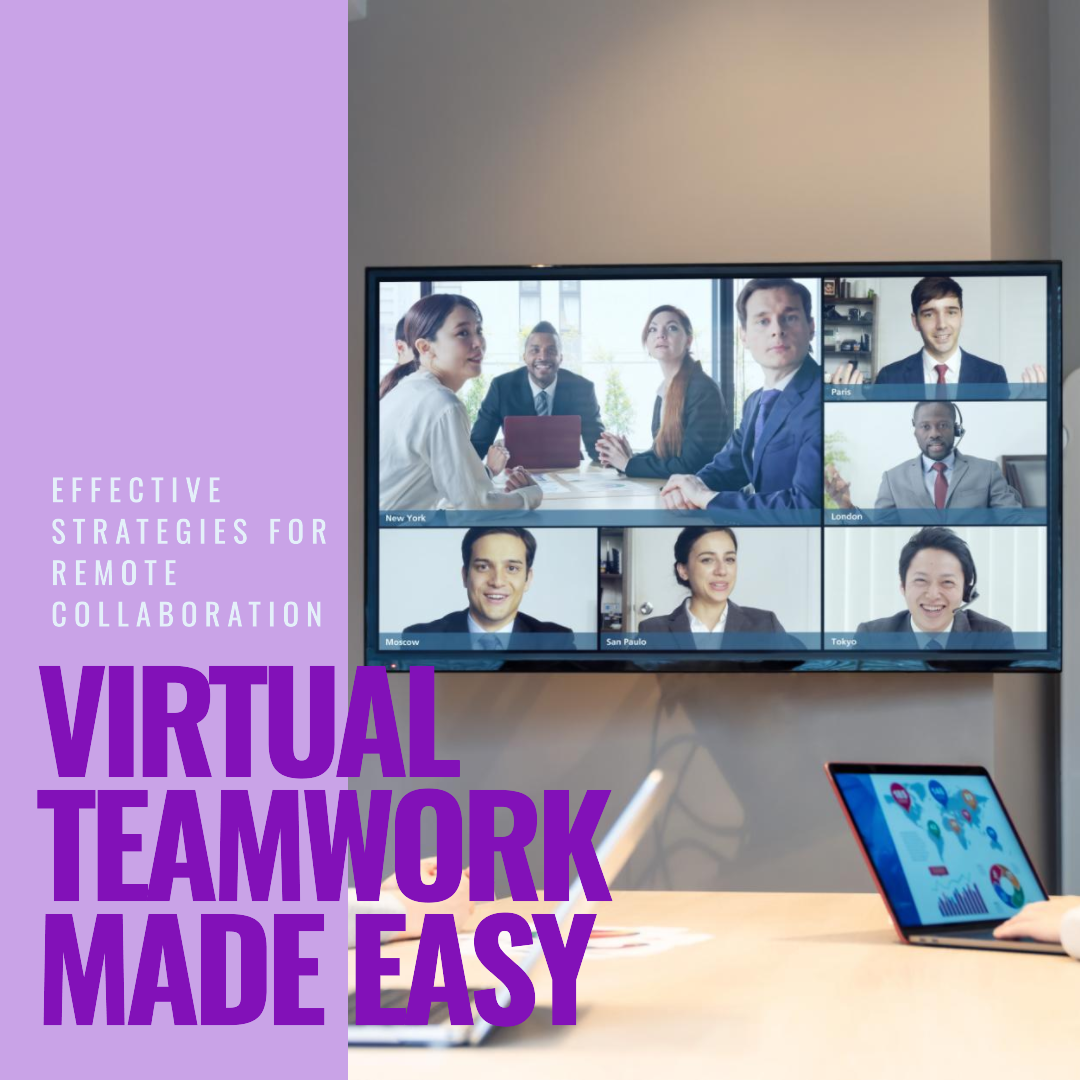

In today’s fast-paced digital landscape, remote work, also known as telecommuting, is becoming increasingly prevalent. Virtual teams, comprising individuals from different geographic locations, have become a staple in many organizations. To ensure the success of these distributed teams, it is crucial to implement effective remote teamwork strategies that enhance team productivity and collaboration. This article will explore various communication strategies and leadership skills necessary to foster employee engagement and create a productive digital workplace.
Effective remote teamwork strategies include setting clear goals, using collaboration tools, maintaining regular communication, establishing trust, and promoting accountability while also encouraging team members to take breaks, manage their time, and maintain work-life balance for productivity. To facilitate remote teamwork strategies, it’s essential to understand that the foundation lies in effective remote teamwork strategies. Utilize collaborative tools and communication techniques to optimize team coordination, as these are remote teamwork strategies for productivity that cannot be overlooked. Leveraging online project management software allows teams to stay organized and on track, contributing to distributed team productivity.
Achieving virtual team success depends on employing the right strategies. Embrace telecommuting best practices, such as telecommuter productivity apps, to ensure that remote team members are efficient and engaged. Team leaders should develop telecommuting leadership skills, providing guidance and motivation to the virtual team. Monitor remote team performance metrics, using digital workplace tools to track progress and address any issues promptly.
Creating a sense of unity among remote team members is vital for remote team coordination. Explore virtual team building activities and use telecommuting communication tools to bridge the gap. These online group productivity tactics help in fostering a more cohesive and productive distributed team.
Remote Teamwork Tools for Productivity
When it comes to enhancing team productivity in a remote work setting, selecting the right collaboration tools is pivotal. Remote teamwork strategies often revolve around choosing the most suitable platforms for your virtual teams. Here are seven top choices to consider:
Slack
Slack is a real-time messaging and collaboration platform that allows teams to communicate, share files, and integrate with other software seamlessly. It’s a hub for distributed team communication, enabling instant exchanges of ideas and documents.
Zoom
Zoom is a comprehensive video conferencing platform known for its high-quality audio and video capabilities. It’s not limited to meetings but also offers webinars, screen sharing, and chat functionality, making it a versatile tool for virtual teams.
Trello
Trello is a visual project management tool that uses boards and cards to help teams organize tasks and track progress. Its simplicity and flexibility make it a favourite among remote teams for project management.
Asana
Asana is a robust project management and task-tracking tool that simplifies project planning and collaboration. It provides a user-friendly interface, making it an ideal choice for remote team coordination.
Microsoft Teams
Microsoft Teams is a part of the Microsoft 365 suite and offers chat, video conferencing, and document-sharing capabilities. It’s a comprehensive digital workplace tool that supports remote job success by providing an integrated platform for collaboration and communication.
Monday.com
Monday.com is a work operating system that facilitates team collaboration and project management. It is highly customizable and helps maintain workflow efficiency within distributed teams, making it a versatile choice.
Google Workspace
Google Workspace (formerly G Suite) offers a suite of cloud-based productivity tools, including Gmail, Google Docs, Google Sheets, and Google Drive. These applications are essential for remote team success, offering document collaboration and communication features, and they are especially valuable for distance work solutions.
Effective Virtual Team Communication Methods
In the realm of remote work, efficient communication within virtual teams is critical for fostering a collaborative environment and enhancing team productivity. As we navigate the evolving landscape of telecommuting and distributed teams, it’s imperative to employ successful communication strategies. Here are seven effective virtual team communication methods to facilitate remote teamwork strategies:
Utilise Collaboration Tools
Collaboration tools are the backbone of effective virtual team communication. Platforms like Slack, Microsoft Teams, and Trello streamline communication, enabling real-time messaging, file sharing, and project management. These tools are essential for digital teamwork tactics, supporting seamless interaction among team members.
Prioritise Video Conferencing
Video conferencing is a cornerstone of virtual team communication. Platforms like Zoom and Google Meet offer face-to-face interactions, even when team members are geographically dispersed. Incorporating video conferencing into your remote teamwork strategies fosters engagement and trust among team members.
Develop Strong Leadership Skills
Effective remote team leadership is vital for successful remote teamwork strategies. Leaders should exemplify telecommuting best practices and demonstrate teleworking communication skills. They play a pivotal role in guiding the team through challenges and maintaining motivation.
Foster Employee Engagement
Employee engagement is a key component of remote teamwork strategies. Regularly reviewing virtual team performance metrics, recognizing achievements, and hosting virtual team-building activities can boost engagement and, consequently, overall team productivity.
Implement Project Management Tools
Project management tools are indispensable for distributed team project coordination. Platforms like Asana, Basecamp, and Monday.com facilitate collaborative online project management, enabling teams to track progress, set goals, and assign tasks efficiently.
Focus on Digital Workplace Tools
Digital workplace tools are crucial for overcoming virtual team communication challenges. These tools encompass various digital teamwork tactics and solutions. Utilizing digital workplace productivity apps and software recommendations streamlines remote job collaboration, improving team efficiency.
Remote Team Engagement Strategies
In today’s rapidly evolving work landscape, remote work, telecommuting, and virtual teams have become the norm. To ensure team productivity, effective collaboration, and employee engagement in this digital workplace era, it’s essential to implement robust remote team engagement strategies. Here are seven remote teamwork strategies and activities to foster teamwork and maximize success:
Leverage Collaboration Tools
Utilizing collaboration tools is the cornerstone of remote work success. Invest in platforms such as Slack, Microsoft Teams, or Zoom to facilitate real-time communication and seamless project management. By harnessing these remote collaboration techniques, you can ensure that your distributed team remains productive and connected, regardless of their physical location.
Prioritise Communication Strategies
Effective communication is crucial for remote team engagement. Establish clear communication protocols, including regular check-ins, video conferences, and chat channels. Encourage open discussions and provide a digital space for employees to share ideas and concerns, fostering a sense of belonging in your virtual team.
Foster Employee Engagement
Prioritize employee engagement by creating a positive and inclusive digital workplace. Regularly check in with your team members, recognize their achievements, and involve them in decision-making processes. Remote team engagement thrives when individuals feel valued and motivated.
Implement Project Management Solutions
Successful project management is integral to remote team coordination. Employ collaborative online project management software like Asana, Trello, or Monday.com. These tools streamline task assignments, progress tracking, and project completion, ensuring a well-organized and efficient virtual team.
Promote Virtual Team Building Activities
Foster a sense of camaraderie by organizing virtual team building activities. These activities can include online games, virtual happy hours, or even themed workshops. Such endeavours boost team morale, enhance trust among team members, and contribute to a positive remote work environment.
Measure Performance Metrics
To gauge the effectiveness of your remote team engagement strategies, establish key performance metrics. Monitor factors like project completion rates, task turnaround times, and employee satisfaction. Use these insights to refine your digital workplace and ensure long-term success.
Collaborative Online Project Management
In the age of remote work, telecommuting, and virtual teams, the ability to effectively manage and coordinate a distributed team is paramount. Remote teamwork strategies are essential for ensuring team productivity and project success in today’s digital workplace. To achieve this, project managers and team leaders need to embrace collaborative online project management techniques. Here are seven best practices to help you excel in this challenging environment.
Prioritize Clear Goal Setting: Begin each project with well-defined objectives and key results to keep the team focused on outcomes.
Establish Communication Protocols: Define rules for team communication, response times, and channels to ensure efficient information exchange.
Utilize Project Management Software: Implement project management tools that enable remote collaboration, task assignment, and tracking.
Regular Progress Updates: Schedule periodic status meetings to review progress, address challenges, and keep everyone informed.
Document Processes and Workflows: Maintain clear documentation of processes, responsibilities, and workflows to minimize confusion.
Foster a Culture of Accountability: Encourage team members to take ownership of their tasks and be responsible for their contributions.
Monitor and Measure Performance: Use key performance indicators (KPIs) to gauge the success of projects and individual performance.
Provide Ongoing Training: Offer training and resources to ensure that team members are proficient with collaboration tools and techniques.
Support Work-Life Balance: Acknowledge the importance of work-life balance and provide flexibility to accommodate different time zones.
Adapt to Evolving Technologies: Stay up-to-date with the latest collaboration and project management tools to optimize remote teamwork strategies.
Virtual Team Leadership Skills
In the ever-evolving landscape of remote work, successful virtual team meetings are contingent on leaders possessing a unique set of leadership skills. As we navigate the realm of remote work, telecommuting, and virtual teams, mastering these leadership skills becomes imperative for fostering team productivity, promoting efficient collaboration, and ensuring remote job success. In this section, we’ll delve into seven crucial virtual team leadership skills that are integral to the success of virtual team meetings.
Effective Communication Skills
Effective communication skills are the linchpin of virtual team leadership. Leaders must excel in remote collaboration techniques and telecommuting best practices to facilitate seamless communication among team members, regardless of their physical locations. Clear and concise communication through digital teamwork tactics and telecommuting communication channels is essential to bridge the gap created by physical distance. It ensures that all team members are on the same page, which leads to higher employee engagement and open dialogue.
Adaptability and Flexibility
In the dynamic landscape of remote work, adaptability and flexibility are indispensable skills for virtual team leaders. Leaders should be well-versed in remote teamwork strategies, understanding the nuances of distance work skills and telecommuter productivity. They need to adapt to changing circumstances and lead their teams effectively, ensuring that remote job success is consistently achieved. Being open to new methods and technologies is key to maintaining a dynamic digital workplace.
Strong Project Management Skills
Strong project management skills are crucial for virtual team leaders to guarantee remote job success. Leaders should excel in remote work coordination techniques and distributed team communication methods to ensure tasks are well-organized and projects progress seamlessly. Implementing efficient online group productivity is contingent on astute project management, enhancing overall team productivity.
Team Building and Leadership
Leaders should foster remote team coordination and engagement as integral components of successful virtual team meetings. A robust understanding of telework leadership, combined with effective remote team building, is vital. Tracking virtual team performance and employing digital workplace tools and distributed team communication methods enables leaders to enhance team dynamics, identify areas for improvement, and celebrate achievements.
Technology Proficiency
Efficiency and productivity apps play a pivotal role in virtual team leadership. Leaders should be well-versed in recommending remote teamwork strategies for productivity and telecommuter productivity apps to enhance team efficiency and productivity. Choosing the right digital teamwork software is paramount for remote team coordination and ensuring that remote teamwork strategies align with the team’s goals.
Continuous Training and Skill Enhancement
Promoting remote job collaboration is crucial, and leaders should provide online teamwork training resources. Facilitating skill enhancement is equally important. By referencing telecommuting best practices for managers and distributed team project management tools, leaders equip their teams with the knowledge and tools needed for success. This ongoing training and skill enhancement strategy ensures that teams stay up-to-date with the latest remote teamwork strategies, fostering growth and improved performance.
Conclusion
One of the key factors in remote teamwork success is the adoption of remote teamwork strategies that facilitate virtual team management. Employing telecommuting best practices, such as using remote teamwork strategies for productivity, and implementing effective virtual team communication methods, can enhance team performance and coordination. Additionally, exploring collaborative online project management and telecommuting team-building ideas can lead to greater efficiency and improved virtual office strategies.
It’s worth noting that the digital workplace continues to evolve, offering various options for remote team coordination and online group productivity. Telework leadership is a valuable skill in managing remote team engagement, while using virtual team performance metrics can help track progress. When it comes to distributed team communication, it’s important to stay informed about the latest tools and practices to foster remote job collaboration. By keeping these remote teamwork strategies in mind, businesses can not only adapt to the changing landscape but also thrive in it.
So, whether you are looking for remote work success factors, digital teamwork tactics, or distance work technology solutions, the key lies in embracing change and staying ahead of the curve to enhance team performance and productivity.
FAQs
What are effective remote teamwork strategies?
Effective remote teamwork strategies include setting clear goals, using collaboration tools, maintaining regular communication, establishing trust, and promoting accountability. Encourage team members to take breaks, manage their time, and maintain work-life balance for productivity.
How can I improve virtual team communication?
To improve virtual team communication, use video calls, chat platforms, and project management tools. Clearly define communication channels, establish meeting schedules, and provide feedback regularly. Encourage active participation and cultural sensitivity.
What tools can enhance distributed team productivity?
Tools like Slack, Zoom, Trello, and Asana enhance distributed team productivity. These tools facilitate communication, project management, and collaboration. Choose tools that align with your team’s specific needs.
How do I engage remote team members effectively?
Engage remote team members by promoting social interaction, recognizing achievements, and offering opportunities for professional development. Create a supportive and inclusive virtual environment to foster engagement.
What are the best practices for online team collaboration?
Best practices for online team collaboration include setting clear expectations, assigning roles, using collaborative software, scheduling regular meetings, and fostering a sense of team cohesion and trust.
How can I manage remote teams successfully?
To manage remote teams successfully, establish clear goals, provide regular feedback, trust your team, and use performance metrics. Prioritize effective communication and flexibility while respecting work-life balance.
What are the challenges of virtual team communication?
Challenges of virtual team communication include misinterpretation of messages, time zone differences, technological issues, and feelings of isolation. These challenges can hinder teamwork and require proactive solutions.
How can I measure remote team performance?
Measure remote team performance by setting clear objectives, using key performance indicators, and conducting regular evaluations. Consider productivity, meeting deadlines, and the quality of work.
What leadership skills are crucial for telecommuting?
Crucial leadership skills for telecommuting include effective communication, adaptability, trust-building, empathy, and the ability to provide clear direction. Leadership should focus on outcomes and maintain team motivation.
How do I choose the right digital workplace tools?
Choose the right digital workplace tools by assessing your team’s needs, scalability, user-friendliness, and integration capabilities. Consider tools like Microsoft Teams, Slack, or Google Workspace.
What are the key factors for remote job success?
Key factors for remote job success include self-discipline, time management, effective communication, adaptability, a suitable workspace, and continuous learning to stay updated.
What solutions exist for remote work technology?
Solutions for remote work technology include cloud-based tools, virtual private networks (VPNs), cybersecurity measures, and reliable internet connections to ensure seamless remote work experiences.
How can I coordinate a distributed team effectively?
Coordinate a distributed team effectively by setting clear expectations, using project management tools, fostering a culture of trust and autonomy, and promoting open and regular communication.
What are the benefits of telework?
Benefits of telework include flexibility, reduced commute time, increased work-life balance, cost savings, access to a wider talent pool, and reduced environmental impact.
Can you provide examples of successful online teamwork?
Successful online teamwork examples include open-source software development communities, remote marketing teams collaborating on global campaigns, and telemedicine teams providing medical services virtually. Each showcases effective virtual collaboration.


 Cables
 Cable Sleeves
 Content Cameras
 AV Cabinets
 AV Connectivity
 Multimedia Carts & Stands
 Shelf Brackets
 AV Equipment Shelves
 CPU Holders
 Holders
 Laptop Stands
 Monitor Mounts & Stands
 Monitor Mount Accessories
 Mounting Kits
 Projector Mounts
 Projector Mount Accessories
 Speaker Mounts
 Tablet Security Enclosures
 TV Mount Accessories
 BYOD All-In-One-Bars
 BYOD Cameras
 BYOD Conference Kits
 Collaboration Displays
 Interactive Displays
 Non-Interactive Displays
 Signage Displays
 Signage Display Mounts
 Signage Display Mount Accessories
 Huddle Space
 Small Room
 Medium Room
 Large Room
 Boardroom
 Teams Huddle Room
 Teams Small Room
 Teams Medium Room
 Teams Large Room
 Teams Scheduling Display
 Teams Accessories
 Acer Projectors
 Benq Projectors
 Epson Projectors
 NEC Projectors
 Optoma Projectors
 Panasonic Projectors
 Sony Projectors
 Viewsonic Projectors
 Vivitek Projectors
 Video phones
 Voice Gateways
 White IP Phones
 WiFi Handsets
 Airtame Wireless Presentation
 Barco Clickshare
 BenQ Instashow
 Poly Pano
 Conference Kits
 Headsets
 Webcams
 Zoom Huddle Room
 Zoom Small Room
 Zoom Medium Room
 Zoom Large Room