


In the fast-paced world of remote collaboration, the integration of audio-visual technology has become a cornerstone of successful digital collaboration. As businesses adapt to the new era of work, ‘Audio visual integration’ has emerged as a critical component in ensuring that teams remain connected and productive, regardless of their physical locations. This article delves into the world of audio-visual integration, exploring its significance, trends, and the myriad benefits it brings to modern workplaces.
Audio-visual integration encompasses the use of conferencing solutions, telecommunication equipment, and multimedia technology to create seamless communication within virtual teams. In today’s landscape of remote office setups and online communication, this technology has gained immense importance. Integrated conferencing, along with smart meeting rooms and audio-visual solutions, empowers businesses to collaborate efficiently, bridging the physical gaps between team members. The integration of AV technology enables remote collaboration, facilitating virtual teamwork and digital collaboration with ease.
As we look ahead to 2023, the world of audio-visual integration is witnessing exciting trends. With the growth of remote work, companies are increasingly investing in AV integration services to enhance communication technology. Businesses are exploring cost-effective video conferencing systems to streamline online meetings and ensure top-notch multimedia integration. The future of telecommunication equipment is becoming more digital, with AV technology at its core. Secure video conferencing solutions and collaborative audio-visual systems are on the rise, addressing the need for reliable communication technology in a remote-first world.
The benefits of AV integration for virtual teams are plentiful. It simplifies remote meetings, allowing team members to connect effortlessly. The choice of the right conferencing hardware is crucial for maximizing online meeting efficiency. Moreover, AV integration contributes to creating smart meeting rooms that enhance virtual teamwork. With affordable teleconferencing solutions and cost-effective multimedia integration, businesses can achieve more while minimizing expenses. As the future of remote work continues to evolve, audio-visual integration is at the forefront of efficient communication and collaboration.
Setting Up Your Remote Conference Room
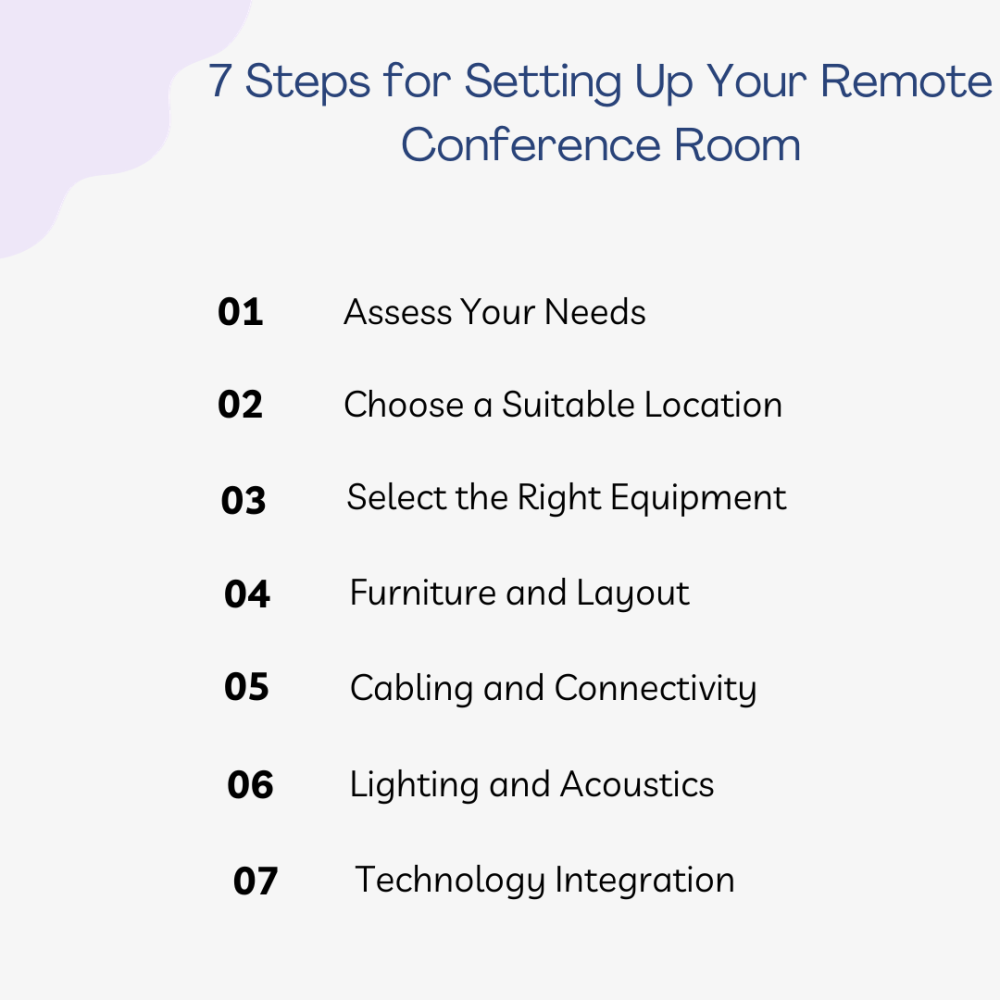
Setting up an efficient conference room is essential for productive meetings and presentations in any business or organization. Whether you’re planning to host team discussions, client presentations, or virtual conferences, creating a well-equipped and thoughtfully designed conference space is crucial. In this section, we’ll walk you through the seven key steps to help you set up a conference room that meets your specific needs, from assessing your requirements to integrating the necessary technology and ensuring a comfortable and productive environment.
Assess Your Needs
Begin by understanding the purpose of your conference room. Determine the size, the number of participants it should accommodate, and the types of meetings or presentations you’ll host. Knowing your needs will help you make informed decisions.
Choose a Suitable Location
Select a location within your office or workspace that is convenient and easily accessible for all participants. Consider factors like proximity to power outlets, natural lighting, and proximity to other essential facilities.
Select the Right Equipment
Choose audio-visual technology that aligns with your requirements. This may include a high-quality projector or large screen, a sound system, video conferencing equipment, and whiteboards. Ensure the equipment is compatible with your organization’s communication tools.
Furniture and Layout
Invest in ergonomic and comfortable furniture that complements the room’s design. Arrange the seating in a way that encourages interaction and maintains a clear line of sight to the screen or presentation area. Make sure there’s adequate table space for laptops and notes.
Cabling and Connectivity
Ensure that the conference room is well-equipped with power outlets and cable management systems. This is crucial for seamless connectivity of laptops, mobile devices, and other presentation equipment. Consider installing Wi-Fi access points for easy internet connectivity.
Lighting and Acoustics
Adequate lighting and soundproofing are essential. Use adjustable lighting to set the right ambiance for various types of meetings. Acoustic panels or curtains can help in reducing echoes and enhancing sound quality.
Technology Integration
Integrate your technology components for seamless operation. Ensure that all equipment is compatible and works together smoothly. Consider a central control system for managing lighting, audio, video, and presentation tools from a single interface.
Choosing the Right AV Technology for Remote Work
In the ever-evolving landscape of remote work, selecting the ideal audio-visual technology is paramount for seamless collaboration. Audio-visual integration plays a pivotal role in optimizing virtual teamwork and enhancing online communication. Here are the seven essential factors to consider when choosing the right AV technology for remote work:
Meeting the Specific Needs of Your Team
To meet the unique requirements of your remote team, it’s crucial to select audio-visual solutions tailored to your specific needs. Whether you need virtual team communication tools to foster interaction and collaboration or smart meeting rooms to accommodate various types of meetings, your chosen AV technology should align precisely with your team’s expectations and workflow.
Seamless Remote Collaboration Tools
The success of remote work largely hinges on efficient remote collaboration tools. When selecting AV technology, prioritize solutions that offer user-friendly interfaces and tools designed to streamline communication among team members. These tools should facilitate instant interactions, thereby enhancing the overall efficiency and effectiveness of online teamwork.
Efficient Video Conferencing Systems
Video conferencing has become the cornerstone of remote work, making the choice of the right AV technology a pivotal decision. When evaluating options, focus on AV technology that offers robust video conferencing capabilities. This means assessing the quality of video and audio, the ease of use, and the platform’s compatibility with your team’s requirements. A seamless video conferencing experience is essential for productive online meetings.
Multimedia Integration for Rich Content Sharing
Sharing multimedia content is a fundamental aspect of remote collaboration. To ensure a rich and engaging virtual meeting experience, your chosen AV technology must support multimedia integration. This feature enables seamless sharing of presentations, documents, and multimedia content, ultimately enhancing the quality of your virtual meetings.
Reliable Telecommunication Equipment
Reliable telecommunication equipment serves as the foundation for successful remote work. When exploring AV technology options, prioritize solutions that offer dependable connectivity and high-quality communication technology. This ensures that your remote team experiences consistent and clear communication without disruptions.
Cost-Effective Video Conferencing Solutions
In the dynamic landscape of remote collaboration, choosing the right video conferencing solution is paramount for businesses aiming to optimize productivity and communication. With an array of options available, selecting a cost-effective platform that seamlessly integrates audio-visual technology and meets the evolving needs of virtual teams is crucial. In this section, we explore a selection of leading video conferencing solutions, highlighting their key features and benefits for efficient online communication and collaboration.
Zoom
Zoom is renowned for its user-friendly interface and reliability. It offers a range of features suitable for businesses of all sizes, from small teams to large corporations. Zoom provides high-quality audio and video, as well as integration with other collaboration tools.
Microsoft Teams
Microsoft Teams is a part of the Microsoft 365 suite and offers an integrated platform for communication and collaboration. It provides video conferencing capabilities, along with chat, file sharing, and seamless integration with other Microsoft applications.
Google Meet
Google Meet is a web-based video conferencing solution by Google. It is especially beneficial for businesses that already use G Suite as it seamlessly integrates with other Google apps. It offers simple scheduling, screen sharing, and cross-platform support.
Cisco Webex
Cisco Webex is known for its secure and feature-rich video conferencing solutions. It caters to various business needs, from small businesses to enterprises. Webex offers video conferencing, team collaboration, and webinars, making it a versatile choice for remote work.
Skype for Business (Microsoft Skype)
Skype for Business, now part of Microsoft Teams, is a popular choice for organizations already invested in the Microsoft ecosystem. It provides video conferencing, instant messaging, and online meetings, making it a comprehensive solution for remote collaboration.
GoToMeeting
GoToMeeting is a user-friendly platform that offers features such as video conferencing, screen sharing, and recording capabilities. It’s designed to be a simple and effective solution for online meetings and collaboration.
BlueJeans
BlueJeans, now part of Verizon Communications, provides video conferencing services that focus on interoperability and ease of use. It’s suitable for businesses looking for a versatile solution with high-quality audio and video.
The Future of Digital Conferencing
The future of digital conferencing is closely intertwined with audio-visual integration. Smart meeting rooms, virtual teamwork, multimedia technology, and secure video conferencing are just a few of the trends shaping this landscape. To make the most of these innovations, focus on choosing the right conferencing hardware and keeping up with the latest AV integration trends. With these advancements, you can create a more productive, secure, and engaging conferencing experience.
Audio-Visual Integration: A Game Changer in Digital Conferencing
In the ever-evolving landscape of digital conferencing, audio-visual integration has emerged as a pivotal trend. This innovative approach enhances the overall conferencing experience, making it seamless and efficient. Here are seven emerging trends and innovations in digital conferencing that revolve around audio-visual integration:
Smart Meeting Rooms: Transforming Traditional Spaces
The concept of smart meeting rooms is on the rise. These rooms are equipped with cutting-edge audio-visual technology, allowing for hassle-free video conferencing, multimedia integration, and remote collaboration. With integrated conferencing hardware, participants can easily connect and collaborate, making meetings more productive and interactive.
Virtual Teamwork: Bridging the Distance Gap
In an era where remote work solutions are gaining prominence, virtual teamwork has become indispensable. Leveraging audio-visual solutions and remote collaboration tools, teams can seamlessly connect, share ideas, and work together despite geographical distances. This not only increases efficiency but also fosters better communication technology.
Enhanced Multimedia Technology: A Visual Feast
The integration of multimedia technology within digital conferencing is a trend that’s here to stay. It allows for dynamic presentations, screen sharing, and multimedia integration, making online communication engaging and informative. Multimedia technology adds an extra layer of richness to digital collaboration.
AV Technology for Remote Office Setup
Setting up a remote office has become more accessible with the latest AV technology. Remote office equipment can now be integrated seamlessly, enabling professionals to work efficiently and maintain a strong online presence. This is especially valuable for businesses looking to streamline their remote work solutions.
The Role of AV Integration Companies
Audio-visual integration companies play a crucial role in the success of digital conferencing. They provide the expertise needed to create collaborative audio-visual systems and smart meeting rooms. These companies offer integrated conferencing solutions, making it easier for businesses to stay ahead in the digital collaboration game.
Enhancing Communication with AV Technology
In the ever-evolving landscape of digital communication, audio-visual integration (AV integration) has become a cornerstone in improving collaboration and communication. To maximize the benefits of AV technology, it’s essential to understand how it can positively impact various aspects of remote collaboration, video conferencing, and multimedia integration. Here are seven key ways AV integration fosters seamless communication and collaboration:
Empowering Remote Collaboration with Audio-Visual Solutions
In the age of remote work, audio-visual solutions have become a linchpin in facilitating effective collaboration. These solutions seamlessly integrate with virtual teams, offering real-time video conferencing, document sharing, and interactive communication. By combining video conferencing systems, multimedia technology, and telecommunication equipment, businesses can transcend geographical boundaries, fostering a collaborative environment that is more efficient and engaging than ever before.
Enhancing Virtual Team Communication with AV Integration Services
AV integration services offer a comprehensive approach to enhancing virtual team communication. These services bring together various elements, including video conferencing systems, multimedia technology, and telecommunication equipment, to create immersive virtual meeting environments. This integration not only streamlines communication but also enhances the quality of interaction, making it feel as if team members are in the same room despite being geographically dispersed.
Optimizing Conferencing Solutions and Teleconferencing Equipment
AV integration plays a crucial role in optimizing conferencing solutions and teleconferencing equipment. It ensures that teleconferencing is efficient, secure, and of high quality. By seamlessly integrating conferencing hardware, businesses can reduce setup complexities, streamline the user experience, and elevate the overall conferencing process. This results in more productive and seamless remote meetings, a necessity in today’s digital collaboration landscape.
Creating Smart Meeting Rooms for Efficient Collaboration
One of the key advantages of AV integration is the ability to create smart meeting rooms. These technologically advanced spaces are equipped with AV technology, facilitating smooth and productive collaboration. With integrated conferencing hardware and multimedia technology, smart meeting rooms enable teams to connect instantly, share information effortlessly, and conduct meetings with minimal technical hiccups.
Maximising Online Meeting Efficiency with Seamless Communication
AV integration contributes significantly to maximizing the efficiency of online meetings. It ensures that communication is seamless and devoid of disruptions. Whether it’s through the integration of video conferencing systems, multimedia technology, or conferencing hardware, AV integration streamlines the online meeting process, allowing participants to focus on the agenda rather than grappling with technical issues.
Cost-Effective Video Conferencing Systems for Remote Work
AV integration allows organizations to implement cost-effective video conferencing systems. By optimizing the use of AV technology, businesses can save money on travel expenses, while remote work solutions become more efficient and cost-effective. This not only improves the financial aspect but also leads to a greener and more sustainable approach to business operations.
The Future of Digital Conferencing with AV Technology
The future of digital conferencing lies in the realm of AV technology. As businesses adapt to remote work, the role of AV integration in enhancing remote office equipment and digital collaboration becomes increasingly significant. It’s clear that AV technology will continue to evolve, offering innovative solutions that cater to the ever-changing needs of businesses in the digital age.
Conclusion
In the rapidly evolving landscape of remote collaboration, the integration of audio-visual technology has become a cornerstone for seamless communication and virtual teamwork. Audio-visual integration is more than just a buzzword; it’s a game-changer. With the rise of remote work, video conferencing, and multimedia technology, businesses are in search of efficient conferencing solutions that ensure productive online communication. When you’re considering the future of digital conferencing, audio-visual integration should be at the forefront of your strategy.
One of the key aspects of audio-visual integration is the creation of smart meeting rooms. These rooms are equipped with state-of-the-art AV technology, allowing for the smooth and secure operation of virtual team meetings. Not only does this enhance remote collaboration, but it also maximizes online meeting efficiency. It’s crucial to choose the right conferencing hardware and AV integration services to create a space that fosters productive communication and collaboration.
In 2023, audio-visual integration is at the heart of the remote office setup. The role of AV technology in remote office equipment cannot be overstated. It simplifies the remote workspace and ensures that you have the necessary telecommunication equipment to conduct video conferencing, multimedia integration, and teleconferencing with ease. Businesses of all sizes can benefit from this technology, from small businesses looking to streamline their remote work solutions to larger corporations aiming to create efficient virtual team communication.
The advantages of audio-visual integration in remote work extend beyond the immediate future. It’s an investment in the long-term success of your business. By choosing the right AV technology for your remote work setup, you’re enhancing remote teamwork, improving communication, and maximizing productivity. Plus, with cost-effective video conferencing systems and multimedia technology at your disposal, the benefits are not only practical but also budget-friendly. The audio-visual integration companies and AV integration service providers are there to guide you in this transformative journey.
In conclusion, audio-visual integration is not just a trend but a fundamental shift in how we conduct remote collaboration. It’s the key to creating smart meeting rooms, streamlining your remote office setup, and maximizing efficiency in virtual team communication. As we move further into 2023, the importance of audio-visual integration in remote work becomes more evident, and it’s clear that those who invest wisely in this technology will reap the benefits for years to come. It’s time to embrace the future of conferencing, multimedia integration, and digital collaboration with open arms.
FAQs
What are the benefits of audio-visual integration in remote collaboration?
Audio-visual integration in remote collaboration enhances communication through video and sound, improving engagement and understanding. Benefits include better non-verbal communication, visual aids, and reduced misinterpretations, making remote teamwork more effective and personal.
How can I set up a conference room for remote meetings?
To set up a conference room for remote meetings, invest in high-quality video conferencing equipment, ensure good lighting and acoustics, and integrate with reliable software. Equip the room with a camera, microphone, speaker, and a large display for clear communication.
Which AV integration service providers are reputable?
Reputable AV integration service providers include Crestron, Extron, and AVI-SPL. Choose a provider with a strong track record and positive customer reviews to ensure quality installations.
What conferencing hardware suits small businesses?
For small businesses, cost-effective conferencing hardware options include webcams, USB microphones, and all-in-one video conferencing units like the Logitech MeetUp or Jabra PanaCast.
How can I improve virtual team communication?
Enhance virtual team communication by using clear video and audio equipment, setting communication norms, scheduling regular check-ins, and using collaboration software like Slack or Microsoft Teams.
What’s the future of telecommunication equipment in remote work?
The future of telecommunication equipment in remote work will likely involve more AI-driven features, enhanced security, and seamless integration with AR/VR technologies to create immersive remote collaboration experiences.
Are there secure video conferencing solutions available?
Yes, there are secure video conferencing solutions like Zoom, Microsoft Teams, and Cisco Webex, which offer end-to-end encryption and various security features to protect sensitive data.
How can I choose the right conferencing technology for my needs?
Select the right conferencing technology by assessing your specific requirements, considering factors like the size of your meetings, budget, and integration capabilities. Conduct thorough research and, if possible, consult with AV experts.
What are the trends in AV integration for 2023?
Trends in AV integration for 2023 may include increased adoption of 4K video, AI-driven features for auto-transcription and content analysis, and a focus on eco-friendly and sustainable AV solutions.
How can I enhance online meeting efficiency?
Enhance online meeting efficiency by setting a clear agenda, using collaborative tools, limiting meeting duration, and actively involving all participants to keep discussions focused and productive.
Which multimedia integration tools are cost-effective?
Cost-effective multimedia integration tools include open-source software like OBS Studio for live streaming, free video conferencing platforms like Zoom (with basic plans), and affordable editing software such as Adobe Premiere Rush.
What are the key features of smart meeting rooms?
Smart meeting rooms feature IoT integration, automated control systems, AI-driven analytics, and touchless interfaces. They enhance productivity by streamlining AV technology and making meetings more efficient.
How does AV technology streamline remote office setup?
AV technology streamlines remote office setup by enabling high-quality video conferencing, audio clarity, and screen sharing. This ensures seamless remote collaboration, helping remote workers stay connected.
What is the role of AV in digital collaboration?
AV plays a crucial role in digital collaboration by providing the tools necessary for effective communication, including video conferencing, screen sharing, and audio quality, facilitating seamless interaction between remote teams.
What are the top remote work solutions for efficient teamwork?
Top remote work solutions for efficient teamwork include collaboration platforms like Microsoft Teams, Slack, and Asana, video conferencing tools such as Zoom and Google Meet, and cloud storage services like Dropbox and Google Drive.


 Cables
 Cable Sleeves
 Content Cameras
 AV Cabinets
 AV Connectivity
 Multimedia Carts & Stands
 Shelf Brackets
 AV Equipment Shelves
 CPU Holders
 Holders
 Laptop Stands
 Monitor Mounts & Stands
 Monitor Mount Accessories
 Mounting Kits
 Projector Mounts
 Projector Mount Accessories
 Speaker Mounts
 Tablet Security Enclosures
 TV Mount Accessories
 BYOD All-In-One-Bars
 BYOD Cameras
 BYOD Conference Kits
 Collaboration Displays
 Interactive Displays
 Non-Interactive Displays
 Signage Displays
 Signage Display Mounts
 Signage Display Mount Accessories
 Huddle Space
 Small Room
 Medium Room
 Large Room
 Boardroom
 Teams Huddle Room
 Teams Small Room
 Teams Medium Room
 Teams Large Room
 Teams Scheduling Display
 Teams Accessories
 Acer Projectors
 Benq Projectors
 Epson Projectors
 NEC Projectors
 Optoma Projectors
 Panasonic Projectors
 Sony Projectors
 Viewsonic Projectors
 Vivitek Projectors
 Video phones
 Voice Gateways
 White IP Phones
 WiFi Handsets
 Airtame Wireless Presentation
 Barco Clickshare
 BenQ Instashow
 Poly Pano
 Conference Kits
 Headsets
 Webcams
 Zoom Huddle Room
 Zoom Small Room
 Zoom Medium Room
 Zoom Large Room